
Pillow Talk: A Practical Guide to Choosing the Right Pillow
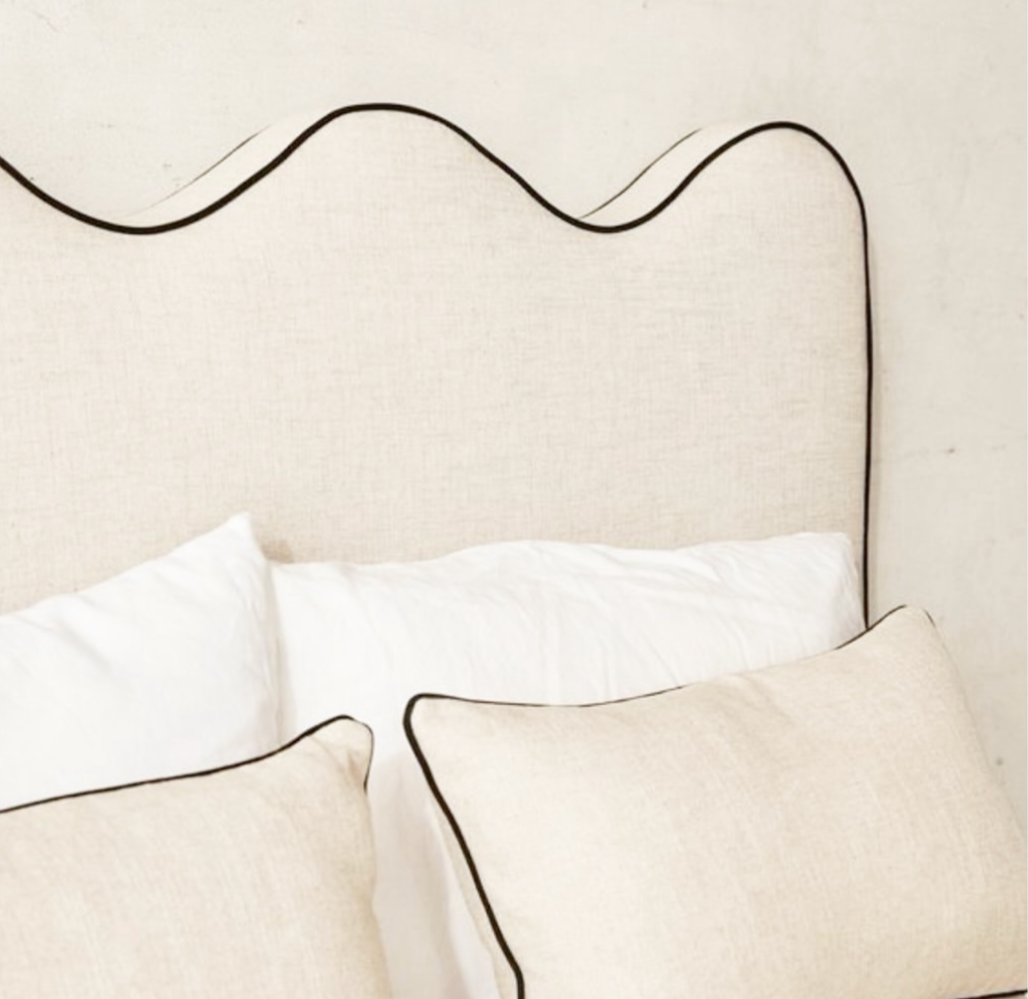
I get asked frequently about pillow recommendations, and I don’t really have a single answer - because we’re all built differently. Body shape, sleeping positions, comfort preferences, and health history all play a role in what “good” actually means for each of us.
More expensive does not mean better. There’s no need to fly all the way to Iceland and purchase an ultra-expensive pillow made by a small family-run operation using the rarest natural down in the world - hand-harvested from wild eider ducks (which are protected, not farmed) after nesting season, once the nests are abandoned on remote shores.
However, here are some of my very best suggestions:
Organic wool or alpaca pillows - naturally temperature regulating, breathable, and supportive without synthetic additives.
Organic natural latex (solid or shredded) - naturally resistant to dust mites and mold, durable, supportive, and natural.
Buckwheat or Millet hull pillows - fully adjustable loft, firm support, breathable, cooling, and excellent spinal alignment for neck health.
Organic cotton -filled pillows - simple, chemical conscious, and minimal processing.
Adjustable natural-fill pillows (wool + buckwheat blends) - ideal for fine-tuning height and firmness to match your sleep posture.
Look for certified organic and natural materials. These materials have a lower chemical load and reduced off-gassing compared to synthetic materials - important when you consider how many hours you spend with your face and airway against your pillow each night. This creates a cleaner, healthier sleep environment.
You also don’t want too much loft. If your pillow is too high, you’ll have too much forward or lateral neck flexion, which can increase cranial and cervical pressure and strain over time.
The goal is a pillow that simply fills the gap between your shoulder and neck so your spine stays neutral.
Finding the right one can take a bit of trial and error. There is no one-size-fits-all solution.
Pillow lifespan is often overlooked. They don’t last forever; most need replacing every 1-2 years.
The best pillow isn’t the rarest one in the world - it’s the one that quietly supports you night after night. No passport required, and definitely no $5,000 price tag either.