
Registered Massage Therapy
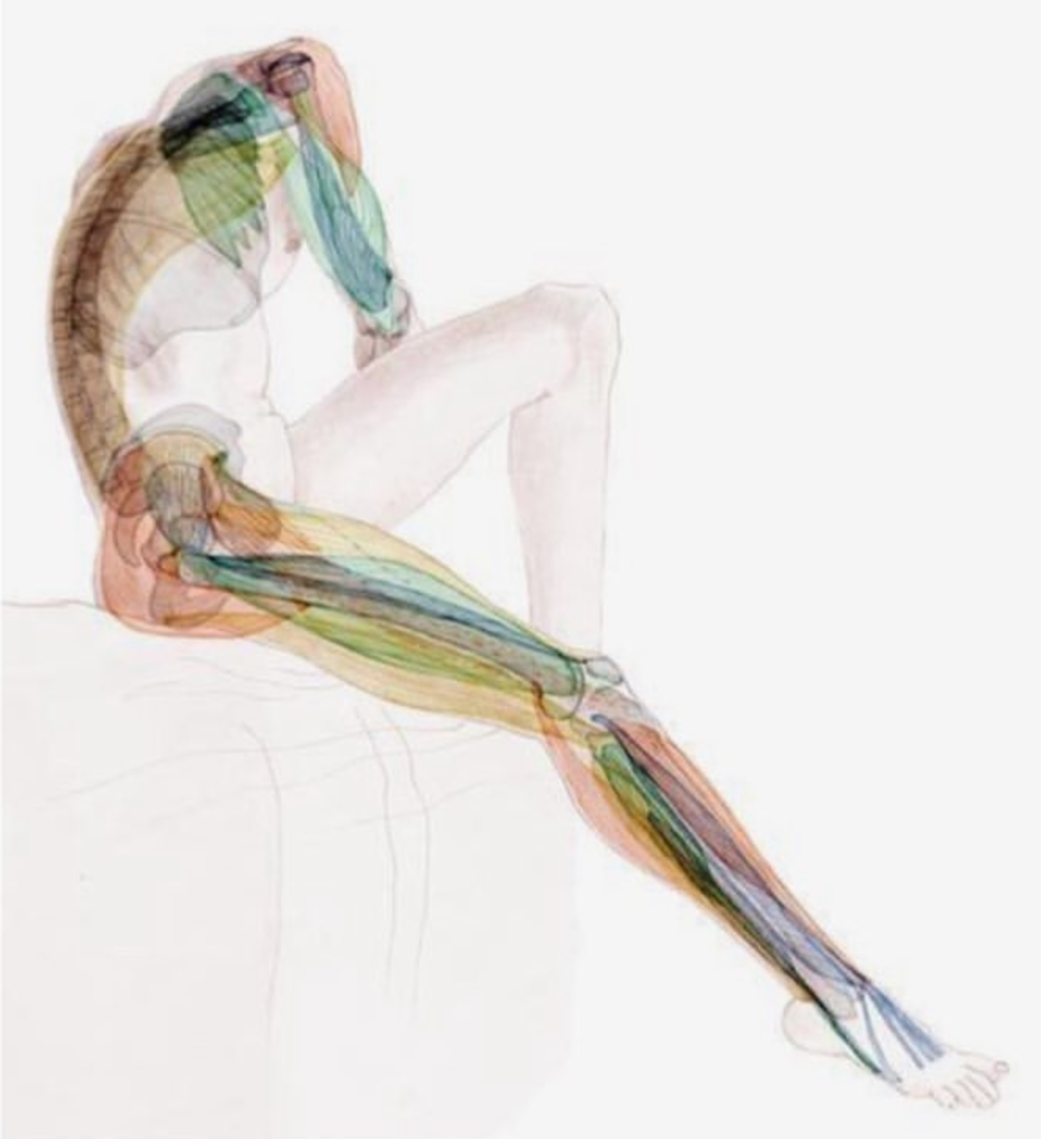
Although many patients present with one primary concern, it is rarely the only area contributing to your symptoms. As a result, treatment tends not to be isolated to a single area, as surrounding regions often play a role in your symptoms and recovery. At The Treatment | RMT Clinic, our approach is guided by a whole-body perspective, recognizing that different regions of the body can influence one another. Each assessment considers the surrounding muscles, joints, movement patterns, and contributing factors that may be driving your symptoms. Every treatment is guided by a thorough assessment and tailored to your individual goals, whether you are recovering from an injury or surgery, managing chronic pain, improving movement, relieving stress and muscle tension, or simply feeling and moving better. Treatment is grounded in evidence-informed care, integrating current research, clinical expertise, and your individual needs to provide thoughtful, effective care.
Conditions We Treat
Registered Massage Therapy can help address a wide range of musculoskeletal conditions and movement-related concerns. Treatment is individualized and may help with:
Neck pain, back pain, hip pain, shoulder pain, knee pain, jaw pain, and sciatica
Headaches and migraines
TMJ Disorder
Vertigo
Tinnitus and other ear-related symptoms
Concussion
Muscle tension, stiffness, soreness, postural strain, and mobility restrictions
Sports injuries, including sprain, strains, and overuse injuries
Nerve irritation
Prenatal and postnatal care
Recovery following injury or surgery
Exercise recovery, athletic performance, flexibility, and movement optimization
Chronic pain and persistent musculoskeletal discomfort
Stress-related tension, relaxation, and improved sleep quality
Advanced Treatment Techniques
Every treatment is guided by your assessment findings and individualized goals. Depending on your needs, care may incorporate advanced techniques such as deep muscle and fascial release, joint mobilizations, proprioceptive neuromuscular facilitation (PNF), active release (ART), intra-oral treatment for TMJ dysfunction, and custom home care recommendations.
Treatment also considers the role of the nervous system, which can have a significant influence on pain, movement, tissue sensitivity, and recovery. By addressing this often overlooked component alongside fascial tissue, muscles, and joints, treatment aims to restore movement, reduce pain, improve function, and support lasting results through evidence-informed, patient-centred care.
What Is Fascia And Why Does it Matter In Treatment?
Fascia is a continuous, web-like connective tissue that surrounds and supports muscles, bones, blood vessels, organs, lymphatic tissue, and nerves throughout the body. It plays an important role in how the body moves, stabilizes, and transmits force between different regions.
When healthy, fascia allows for smooth, efficient, and pain-free movement. However, restrictions, adhesions, or changes within this system can contribute to pain, stiffness, and reduced mobility.
Because the fascial system is continuous throughout the body, restrictions in one area can influence movement and symptoms in other areas that may seem unrelated. For this reason, addressing this system can be a very important part of improving mobility, reducing pain, and supporting more efficient movement patterns.